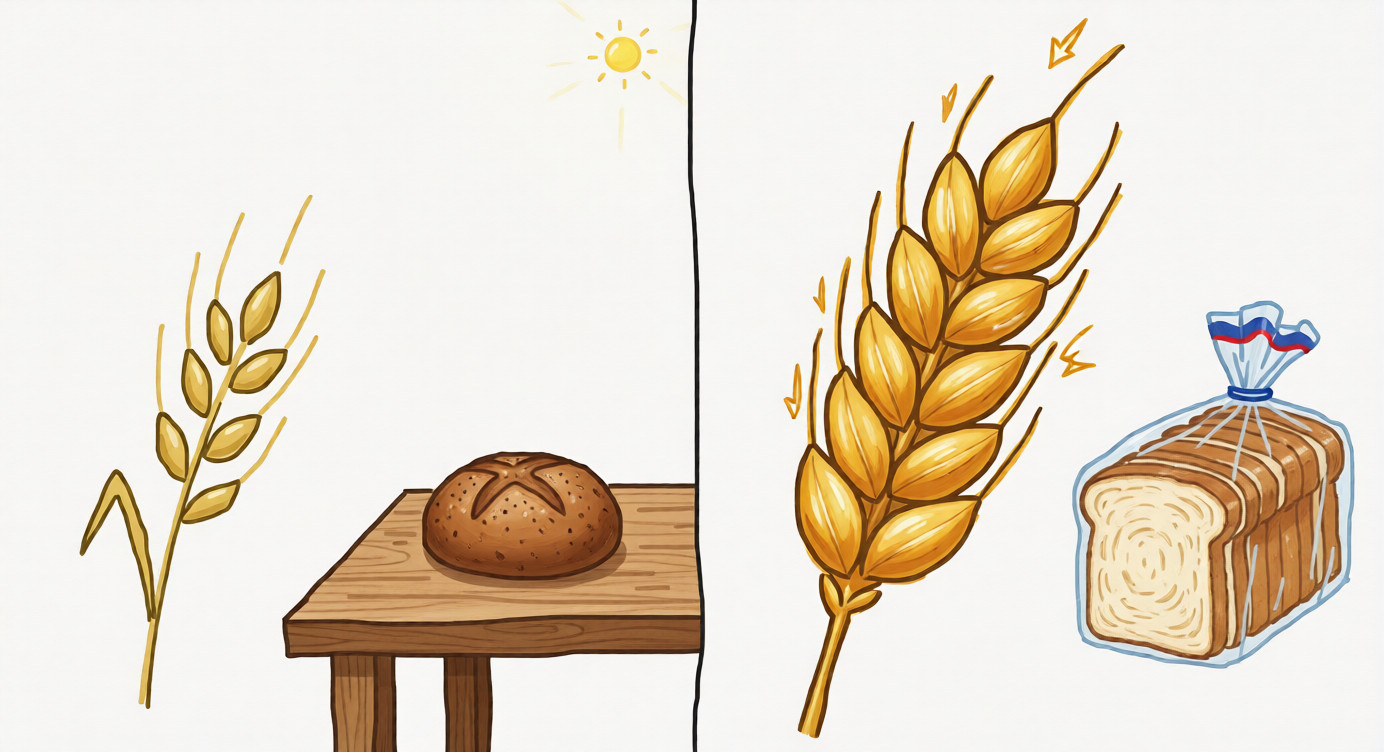

For thousands of years, wheat was known as the “staff of life.” It is celebrated in ancient spiritual texts and has been a global staple since the dawn of civilization. But today, something has changed. Millions are now struggling with bloating, fatigue, skin problems, and autoimmune challenges linked to the very bread their ancestors thrived on.
Is wheat inherently bad, or have we turned a ancient gift into a modern monster? Let’s dive into the controversy.
The 300% Gluten Jump
Modern wheat is not the same grain Jesus broke at the table. Over the last few decades, wheat has been hybridized and changed so many times that much of the wheat grown today contains up to 300 times more gluten than ancient varieties. Our bodies simply don’t have the biological “software” to process that much gluten at once.
Celiac Disease vs. Gluten Intolerance
While only a small percentage of people have a formal Celiac diagnosis (an autoimmune disease that destroys the gut lining), many more suffer from “non-celiac gluten sensitivity.” Symptoms include:
- Unexplained fatigue and “brain fog”
- Abdominal pain and bloating
- Persistent skin rashes or acne
- Sudden weight loss and depression
Gluten Intolerance by Region 🌍
Estimated Sensitivity Percentages
Up to 16%+
2.4%
0.2%
The Pesticide Problem
In many countries, especially the United States, wheat is heavily sprayed with herbicides and pesticides right before harvest. Interestingly, many people who are “gluten intolerant” in the US find they can eat bread in Europe with zero issues. This suggests it might not just be the gluten, but the chemicals we use to grow it.
Healthy Alternatives to Modern Wheat
If your body is telling you to stay away from bread, you don’t have to feel deprived. There are wonderful, gluten-free flatbreads that are easy on the gut:
- Garbanzo (Chickpea) Flour: High in protein and delicious as a flatbread.
- Sorghum Flour: An ancient grain that is naturally gluten-free.
- Corn Tortillas: A simple, traditional way to enjoy grains without the wheat bloat.
Final Thoughts: Listen to Your Body
Wheat isn’t necessarily a monster, but the modern version of it has become a challenge for many. If you feel tired or sick after eating bread, try cutting it out for 30 days. Replace it with whole, organic, ancient grains and see how your vitality returns. Remember, your health is your most valuable asset!