
Peppermint: The Plant Sitting in Your Yard That’s Basically a Medicine Cabinet
It’s in your toothpaste, your tea, probably growing wild somewhere near you right now. After years of recommending it to people, here’s what I’ve learned actually holds up.
Peppermint has been used medicinally for thousands of years, and modern research backs several of its traditional uses — most notably for IBS and digestive discomfort, tension headaches, nausea, and nasal congestion. Peppermint oil capsules have the strongest clinical evidence; tea and topical oil are gentler, traditional options.
🌿 An Herb Everybody Already Knows
Ask someone what peppermint is and they’ll probably shrug — it’s the flavor in gum, the smell in soap, the thing growing in a pot nobody remembers planting. That familiarity is exactly why people underrate it. This is a plant that’s been used medicinally for thousands of years, tracing back to ancient Egypt, and it has since spread to basically every corner of the world. Once it’s established in your yard, it doesn’t need much encouragement — if anything, it needs a container to keep it from taking over.
🌱 Where Peppermint Actually Shines: The Gut
This is the one I bring up most, because it’s also the one with the most research behind it. Multiple clinical trials — out of the Netherlands, Japan, and reviews in gastroenterology journals — have found that peppermint oil, specifically in enteric-coated capsules, is one of the most effective plant-based options for irritable bowel syndrome. It works by relaxing the smooth muscle lining the gut, which helps with:
🌿 Abdominal pain and cramping
🌿 Bloating and gas
🌿 The spasms behind chronic GI irritation
Worth being precise here: the strongest clinical evidence is for capsules, not tea — capsules deliver a concentrated, standardized dose straight to the intestine. Tea is gentler and hasn’t been studied the same way, but it has a long tradition of use for that overly-full feeling after a big meal, and plenty of people swear by it for exactly that.
Peppermint also has a long tradition of use for liver and gallbladder support, and some early lab research suggests mild activity against certain gut bacteria. If you have a diagnosed liver, gallbladder, or GI condition, talk to your doctor before treating it with herbs instead of medical care — this is supportive, not a replacement.
✨ Everywhere Else It Shows Up
🌿 Headaches and migraines — Topical peppermint oil has been studied for tension headaches, with some research showing it performs comparably to over-the-counter pain relievers.
🌿 Nausea — Commonly used to help settle nausea, including alongside chemotherapy in some care settings — though never as a replacement for prescribed anti-nausea medication.
🌿 Congestion — The menthol acts as a natural decongestant and mild expectorant, which is why it’s in half the cold remedies on the shelf.
🌿 Sore muscles — A little diluted peppermint oil worked into a massage is an old standby for muscle tension.
🌿 Oral health — Its antibacterial properties are part of why mint shows up in natural toothpaste — I mix dried mint into my own homemade batches.
🌿 Minor skin irritation — Diluted peppermint oil is sometimes used for itching or minor discomfort — always diluted, and check with a doctor first if pregnant or breastfeeding.
Illustrative summary of relative research volume and consistency, not a clinical scoring system. IBS has the largest body of controlled trials; other uses rely more on smaller studies or traditional use.
🍵 How I’d Actually Use It
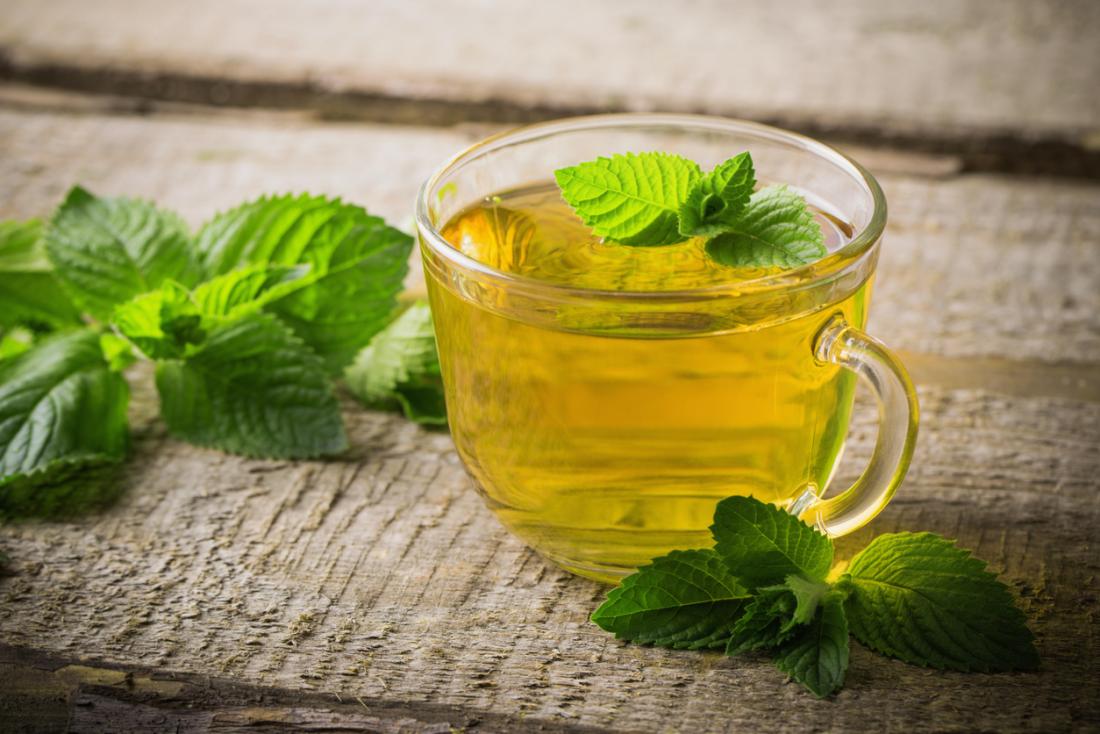
🌿 Tea — A teaspoon of fresh or dried leaves, steeped in hot water 10–15 minutes. Simple, and it’s what I reach for most.
🌿 Capsules — Enteric-coated peppermint oil capsules for digestive support, following label dosing.
🌿 Topical oil — Always cut with a carrier oil before it touches skin.
🌿 In the kitchen — Fresh mint with lamb, in chocolate desserts, or steeped into anything that needs brightening up.
Peppermint isn’t universally a good fit. It can make acid reflux/GERD worse, since it relaxes the same sphincter that’s supposed to keep stomach acid down. Some people with liver conditions don’t tolerate it well either. Like any herb, results vary from person to person — what works beautifully for one person might do nothing, or even irritate, another. If you’re pregnant, nursing, on medication, or managing a chronic condition, check with your doctor before adding peppermint oil or high-dose supplements to your routine.
❓ Frequently Asked Questions
Not exactly — the clinical research is strongest for enteric-coated peppermint oil capsules, which deliver a concentrated dose to the intestine. Tea is milder but has a long history of traditional use for general digestive comfort.
Yes, easily. It grows well in pots or garden beds and spreads quickly, so many people prefer to contain it in a planter rather than let it take over a garden bed.
Generally yes in food and tea amounts, but people with acid reflux or certain liver conditions should be cautious, and concentrated oil should always be diluted before topical use or taken as directed in capsule form.